

Whether it was The Big Yak, the recent CIPR Inside conference Closing the Gap, or the workshops we ran with LG Comms or FirePro (a communicators’ network for the fire service), one theme came up time and time again – how to engage frontline workers.
It’s also a conversation we often have with our clients in a range of sectors from water, energy, retail and highway. One even noted that their office based customer service team had engagement levels around 90% while frontline teams were down at 20%.
And although engaging with such a disconnected audience can seem impossible, there are ways to do it. We saw a great example at Closing the Gap; Powys County Council presented their award-winning campaign that created connections between frontline workers and leadership. They went back to basics and got their senior team out on site, pitching in and seeing what life was really like for their people that were out there supporting the local community.
Powerful stuff. And where Powys County Council really got it right was understanding their audience first. It can be tempting when discussing disconnected teams to jump straight to channels, which is quickly followed by the question “how do your employees feel about using their own devices?”. And that’s not wrong, but we’re not convinced that’s the place to start.
So, following our conversations with IC pros and our own experience, we’ve put together our top tips for reconnecting with the disconnected.
1. Research, understand and don’t make any assumptions
You might know what the role of a frontline employee involves in theory, but have you taken the time to know what it involves in practice? Take a leaf out of Powys County Council’s book and shadow your colleagues, spend time chatting to them about what matters to them, what type of information they want to receive and in what format. Experience first-hand what it means to deal with members of the public whether in shops or in their homes, the physical exertion needed to load parcels onto lorries within tight time frames, or how it feels when something goes wrong on site at 5pm and you know you’ll be working late into the evening to fix it.
The reasons they didn’t have time to read your newsletter may suddenly become a bit clearer…
2. Content and message
Now you understand the challenges frontline employees face, you can tailor your comms approach accordingly. And at the heart of it should be great, relevant content. It’s no secret that many frontline workers aren’t interested in corporate messages, and would rather receive information that directly relates to the job they’re doing. We’ve even heard stories where employees have been ‘shamed’ by their colleagues for taking part in ‘corporate’ publications.
So, be ruthless about what you’re sharing, consider when and how you do it carefully. Look at the world around you for inspiration on delivering bitesize communications like these 60-second news updates:
Or take a similar approach to Twitter Moments…

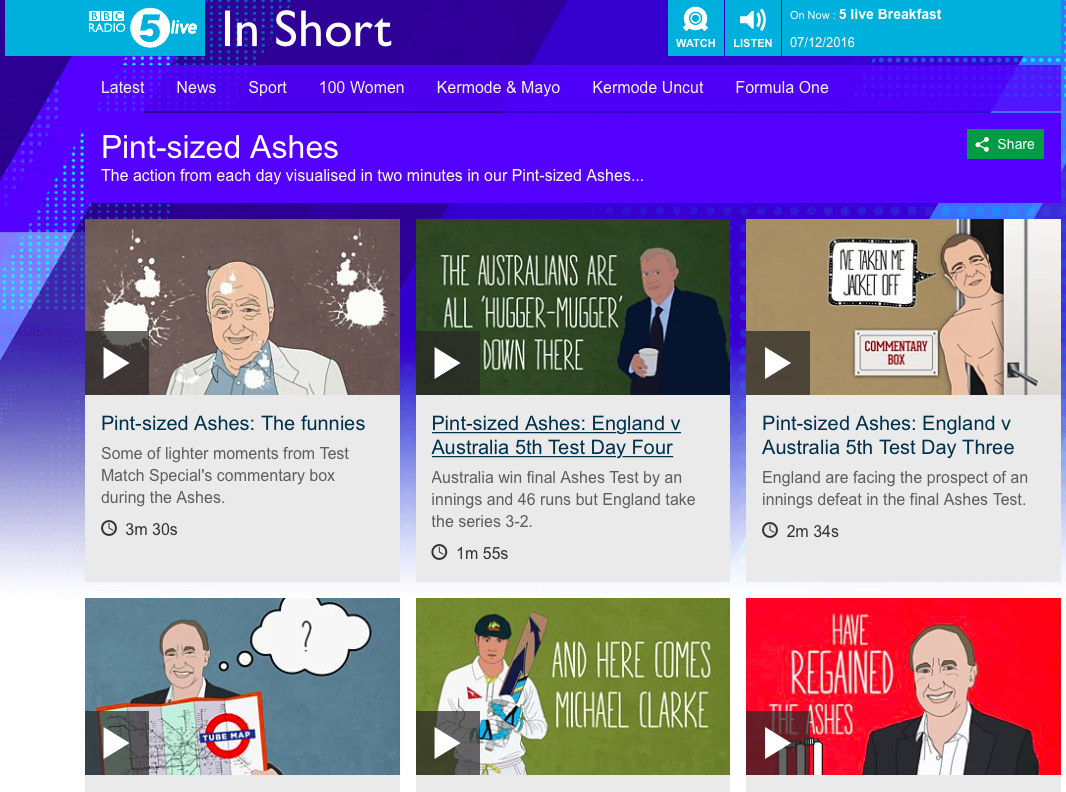
And emulating these test match updates would make any business update more engaging…
3. Give people a voice and allow them to connect
Social tools such as ESNs can help to make disconnected workers feel part of a community. It’s an opportunity for their voice to be heard, bringing different perspectives to conversations and helping them to feel valued. And to build a community it’s important that people are encouraged to be themselves and to share their interests. A CEO and a sales assistant both discovering a shared passion for cycling could instigate a friendship or connection that wouldn’t have otherwise happened.
4. Leadership visibility
Visibility and creating connections with frontline employees takes time and energy and more importantly willingness on the part of senior leaders. We need to educate those at the top of our organisations that communication and engagement is part of everyone’s job, not just the internal comms team. However, we can support them by giving them the tools and skills they need to communicate effectively (check out a previous blog by the fab Helen Deverell about coaching for comms).
5. Stories from the frontline
Your frontline teams are the first impression a customer will get of your business. They play a hugely important role in attracting and retaining business. However, they might not realise the impact they have, or if they do, feel that the business doesn’t value it.
So, discover and share their stories – recognition doesn’t need to be an expensive award ceremony, sometimes just acknowledging the great things that happen day to day can mean more. And get their input in plans for the business, chances are they know your customers better than anyone else.
6. Mobile is a must but multi-channel kicks ass
Mobile is often the go-to channels for reaching frontline people, but not everyone wants to receive works messages to their personal phone. Our view is that if you don’t try you’ll never know, but be prepared to pilot it with a small group and fail fast (and cheaply) if required. And even if mobile is a roaring success, it shouldn’t be the only channel – giving employees options on how to explore and absorb content is key. These are just some of the ideas we love for reaching the disconnected:
- 60-second videos for team briefings
- CDs or podcasts to listen to in vans or on the move
- Printed newsletters
- Buzz Feed style emails
- WhatsApp groups for teams
- Apps focused on two-way communications
- Posters and banners in depots
- Printed infographic – 5 things you need to know this month
- Social tools such as ESNs
- Mobile intranet that’s accessible in the real world not just the office BUT don’t expect anyone to look at it if the content isn’t relevant
- Managers aren’t a channel – but give them the tools to channel their own comms
As you can see, reconnecting with the disconnected isn’t beyond the realms of possibility. And remember, we’re not trying to transform people into happy cheerleaders every second of the day. It’s okay for people to be negative from time to time, as long as it’s constructive dialogue that doesn’t become disruptive. It can be a great opportunity to listen and make improvements.
But it won’t be, and nor should it be, easy. Winning these teams over takes time, energy and a commitment to no bullshit. But it’ll be worth it in the end.