
Rachel Miller’s latest book is about how we inform, involve and inspire people through change.
So, naturally, our conversation with Rachel was all three.
But somewhere between change comms, writing and creativity, we found ourselves talking about playlists, Post-it notes, fidget toys, colour, texture and post-shower ideas.
Because when Rachel focuses, she really focuses.
She wrote 84,000 words in 16 weeks.
That kind of output doesn’t just happen. Rachel has learned what her brain needs to get and stay engaged.
A familiar playlist with no lyrics.
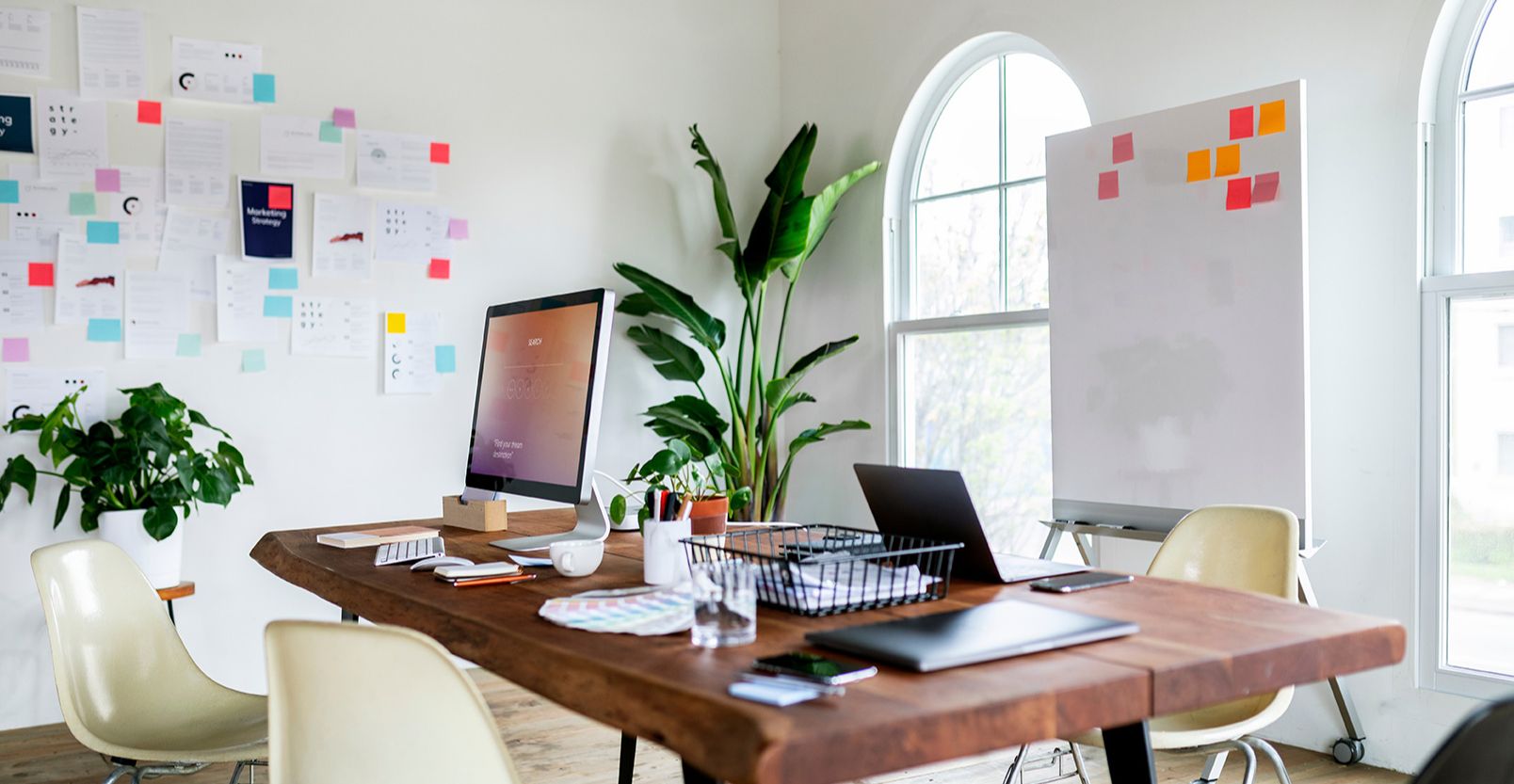
Visual stimulation rather than a blank wall.
Colour. Texture. Things to fiddle with.
Post-it notes she can physically strike off.
Even smells can play a part.
And when an idea appears at an inconvenient moment? She texts it to herself before it disappears.
Through her family’s experience of neurodiversity, Rachel has become increasingly aware of how different environments help different brains work well.
Which got us thinking.
Creativity isn’t only about what’s going on inside your head.
Sometimes, changing what’s going on around it can make all the difference.
CREATIVE WORKOUT:
Tune your thinking
Give yourself 10 minutes.
This isn’t about redesigning the office. It’s a quick sensory check of your environment and figuring out what your brain might need more or less of.
Step 1: Pick your task
Choose something you want to make progress on.
An idea, a tricky piece of copy or writing, a plan, a presentation or a problem that needs some proper thought. Keep that task in mind.
Step 2: Scan your work area or surroundings
Think about your workspace. Notice what’s around you.
Think about it from a sensory perspective:
what do you…
SEE
Colour, light, clutter, blank walls, visual references, Post-its, screens.
HEAR
Music, chatter, traffic, notifications, silence.
FEEL
Temperature, textures, furniture, things you can hold or fiddle with.
SMELL
Coffee, food, fresh air, perfume… whatever happens to be in your space.
TASTE
Do you have the fuel you need to do your best work? Whatever helps: coffee, water, fruit or something sugary.
Also think about…
Can you move in the space? Are you comfortable? Do you feel calm, restless, stimulated, flat?
For each, ask: Is this helping me, distracting me or doing absolutely nothing?
Your environment is already communicating with your brain. The trick is noticing what it’s saying.
Step 3: Tune it
Make three simple changes:
Remove a distraction.
Add a useful stimulus.
Create a cue that says… it’s time to focus.
Maybe you clear one patch of your desk, put something colourful in view and play an instrumental soundtrack.
You could move somewhere quieter, grab something to fidget with, like LEGO or a stress toy, and put one big visual target in front of you.
There’s no perfect creative environment. There’s just the one that works for you, your brain and the thing you need to do or create.
ABOUT RACHEL:
Rachel Miller is the Founder and Principal Consultant of All Things IC, the internal communication consultancy she founded in 2013.
An internationally recognised authority on internal communication, Rachel advises communicators and organisations through consultancy, training and one-to-one support. She is a Chartered PR practitioner and Fellow of the Institute of Internal Communication, CIPR and Centre for Strategic Communication Excellence.
Her first book, Internal Communication Strategy, was published in 2024. Her latest, Successful Change Communication: How to Inform, Involve and Inspire Employees, followed in 2026.
Find out more about Rachel and her work:
Rachel on LinkedIn
Rachel and All Things IC
THE CREATIVE COOLDOWN:
Design for the senses
Your working environment is more than a place to put your laptop.
Sound, light, texture, colour, temperature, and even smell can affect how comfortable, focused, and creative we feel.
This article from Interface explores how sensory design can create workplaces that work better for different brains, different needs and different kinds of work.
Because sometimes better thinking starts with better surroundings.