Representation in campaigns is one of those topics that everyone knows is important but not everyone feels confident talking about.
We see it a lot. Brands want their work to reflect the real world, but worry about getting it wrong, slipping into stereotypes, looking tokenistic, and saying the right thing in the wrong way.
The end result is often representation that’s hesitated over, softened, or left until the very end of a project. That’s where things start to feel off.
It shouldn’t be an afterthought
One of the biggest issues with representation in campaigns is timing.
When inclusivity is only considered once an idea is already formed, it can feel bolted on. A last-minute adjustment rather than a natural part of the story. And audiences can sense that straight away. It always pays off when organisations are mindful of their audiences and the demographics they represent or speak to.
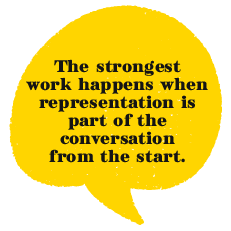
The strongest work happens when representation is part of the conversation from the start. Not as a separate ‘EDI moment’, but as a normal part of how ideas are shaped.
Who are we talking to? What does real life actually look like for them? Are we leaning on easy visual shortcuts because they’re familiar or because they’re true?
These aren’t radical questions. They’re just better ones.
Moving past stereotypes without overthinking it
Stereotypes often creep in because they’re familiar. They make things feel instantly recognisable. But they also flatten people into roles that don’t really reflect how anyone lives.
Moving away from that doesn’t mean overcomplicating campaigns or spelling everything out. It usually means being more observant, not more performative.
Small, thoughtful choices matter. Like how people are portrayed, the roles they’re given, the tone of voice used to tell their story. When those decisions come from a place of curiosity rather than assumption, the work feels more honest.
Honestly always tends to land better than perfection. And when you’re honest, trust begins to form between you and your audience.
Representation and EDI aren’t separate conversations
 With EDI now firmly part of how organisations operate, representation can’t sit in isolation. It can’t just live in casting, imagery or one-off campaigns.
It needs to run through everything: strategy, creative, production and beyond.
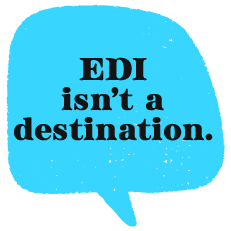
And it’s worth saying this clearly: EDI isn’t a destination. There’s no finish line, no moment where a brand can say it’s ‘done’. People, language and culture change, so the work must change with them.
Audiences don’t expect perfection. What they do expect is progress, honesty and a willingness to keep learning.
This is about consistency, intention and being willing to evolve – not ticking a box.
Better representation leads to better work
When representation is handled well, campaigns feel more natural, relatable, and human.
They speak to broader audiences without trying to shout. They age better and they build trust rather than just attention.
From a creative point of view, they’re also more interesting to make. Letting go of outdated shortcuts opens up new stories, perspectives and ideas which is exactly what good creative should be doing anyway.
How we approach it at Alive
At Alive, we see representation as part of good creative thinking.
Our role is to help brands have the right conversations early, when ideas are still forming and there’s room to shape them properly. To challenge assumptions gently, sense-check decisions and make sure inclusivity isn’t something that’s added on at the end.
We’re here to help brands create work that feels relevant now and won’t feel dated six months down the line.
Representation in campaigns will keep changing, because the world keeps changing.
The brands that keep up will be the ones building inclusivity into how they think, not just what they produce. When representation is considered early, handled thoughtfully and treated as part of everyday creative decision-making, the work feels more real. And real builds trust, loyalty and impact.